 19% off
ISI
Certified fire extinguishers, chosen by what is actually at risk.
Fire is classified by what is burning
Twelve product families, from the general-purpose ABC unit to the fixed installations a building inspection expects to find.
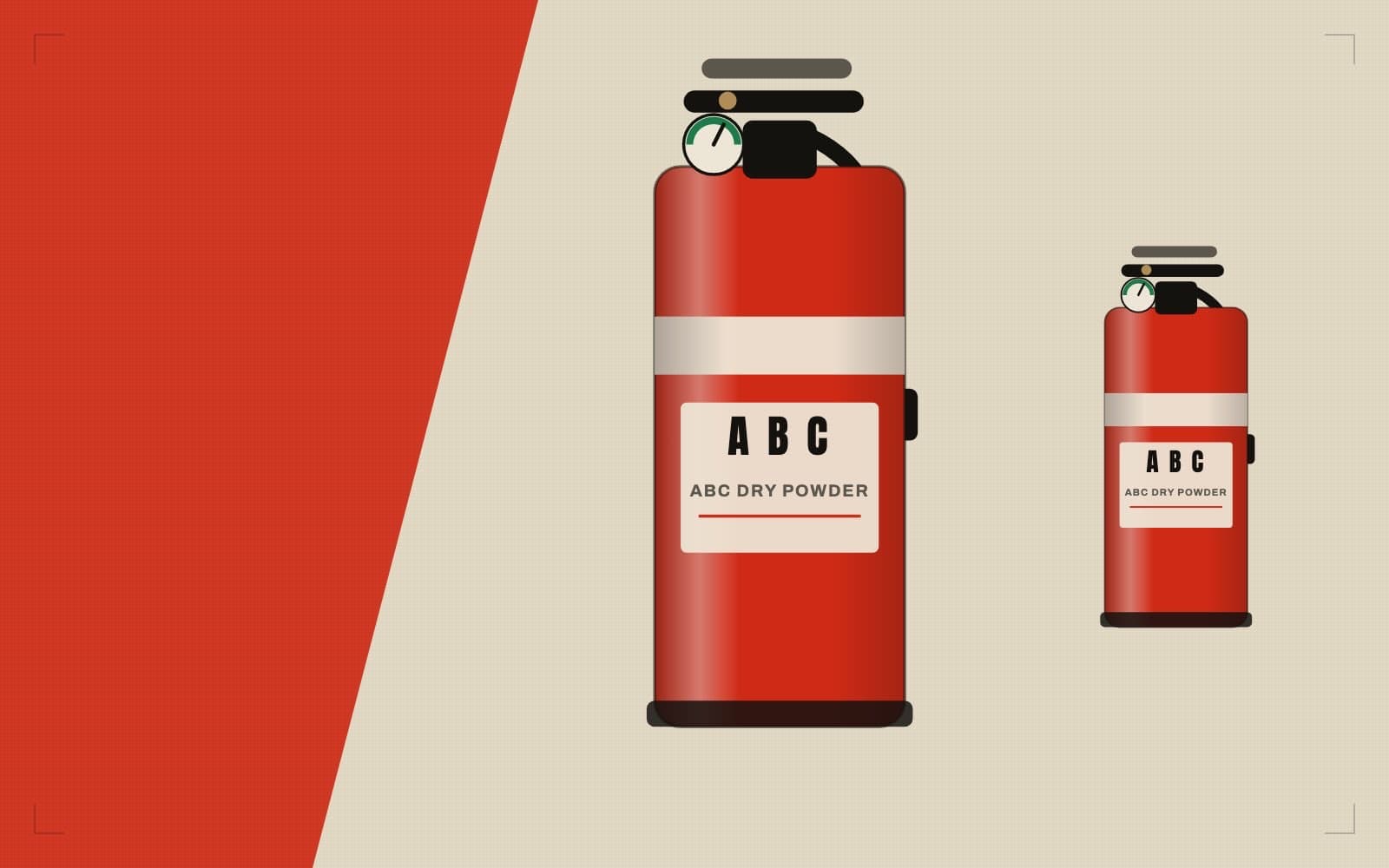
The general-purpose unit
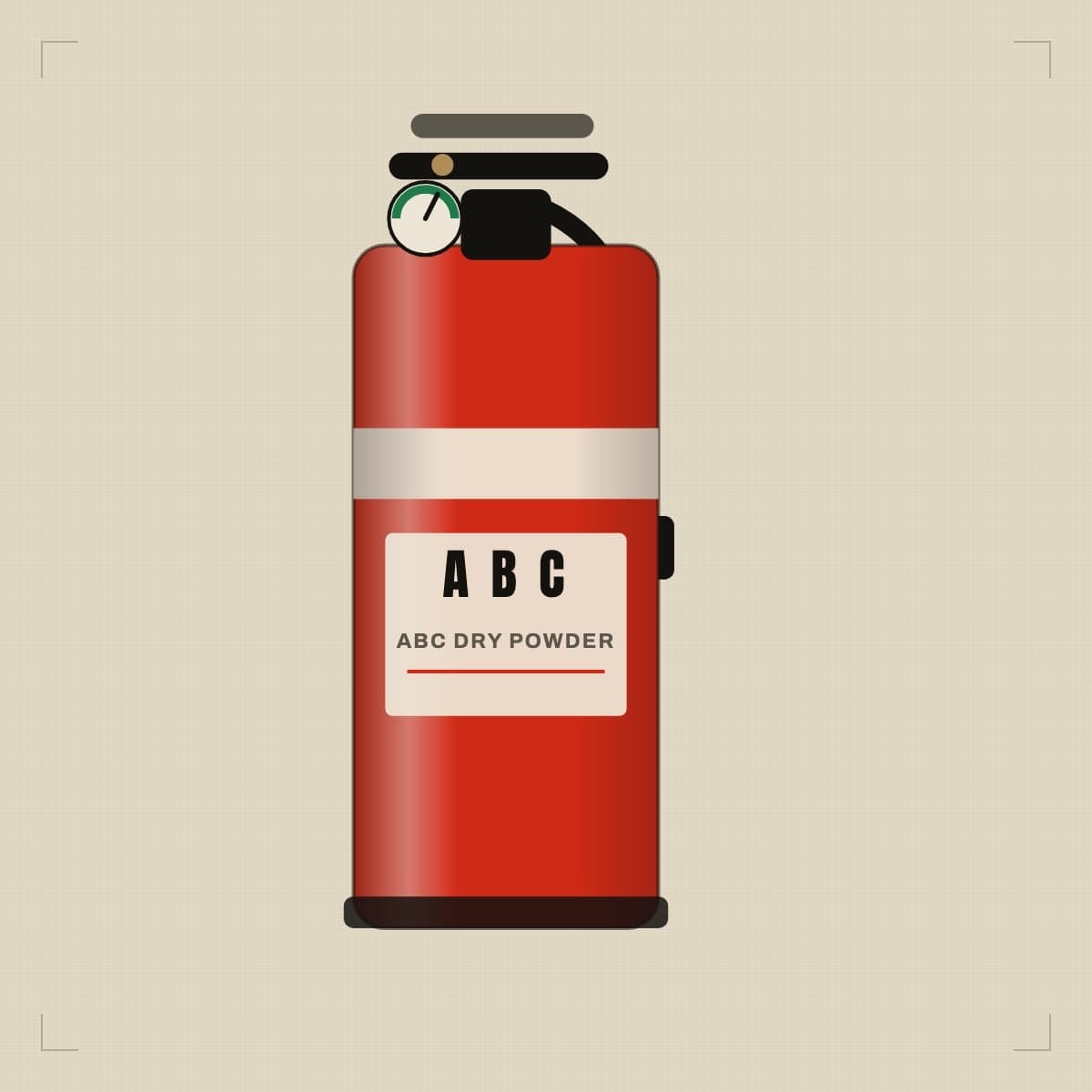
Mono-ammonium phosphate powder rated for solids, liquids and gases, and safe on live electrical equipment. If a premises buys one extinguisher, it is usually this one.
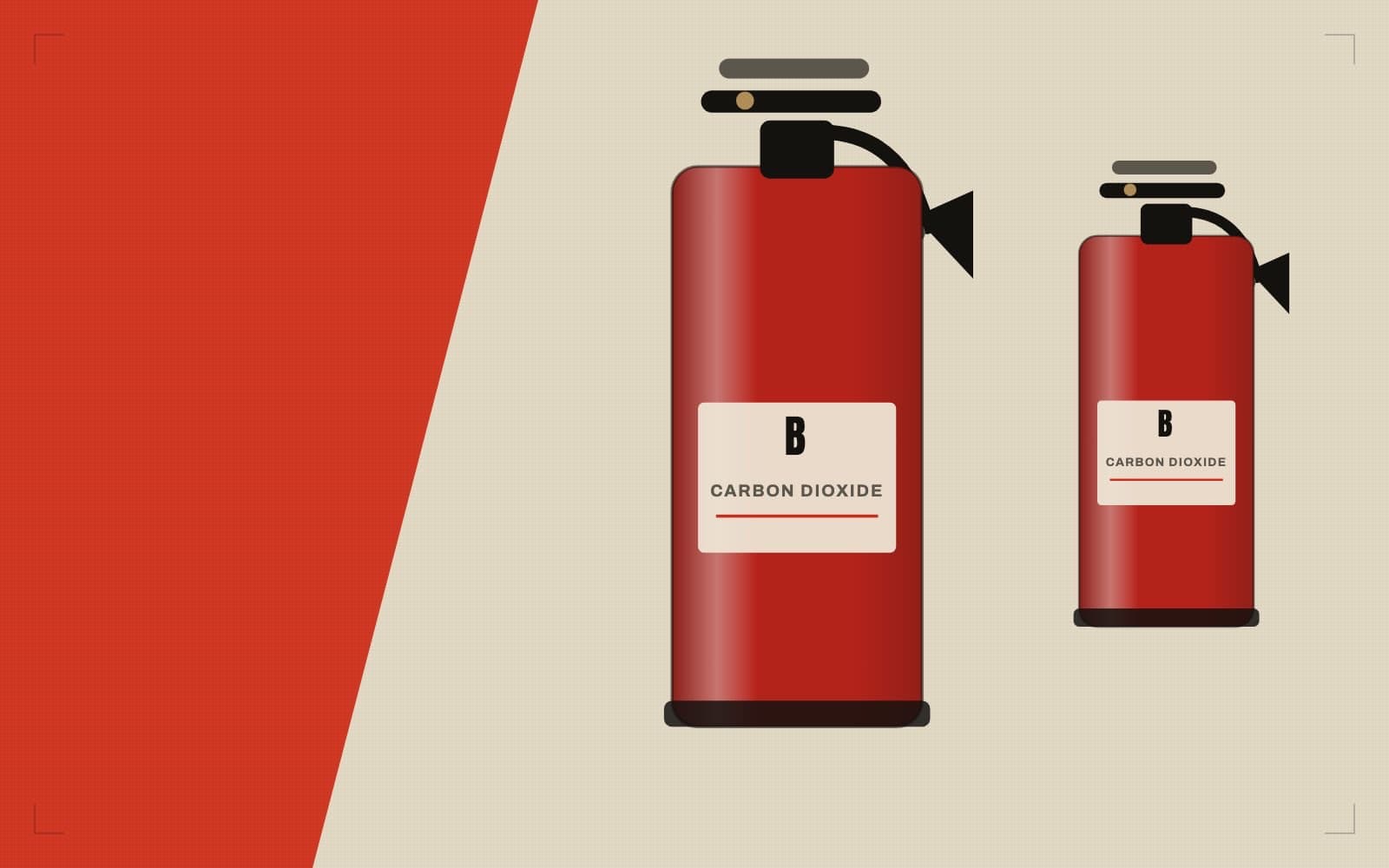
Clean, residue-free
Carbon dioxide displaces oxygen and leaves nothing behind, which is why it lives beside switchgear, servers and laboratory benches.
FireOxine supplies certified fire extinguishers and allied safety equipment to businesses, housing societies and households across India. Every unit we list is built to a named Indian Standard, and every product page states the fire classes it is rated for — and the ones it must never be used on.
Most people arrive here because an inspection, an insurer or a licence condition has made fire safety their responsibility for the first time. They should not need to already know the difference between a Class B and a Class K fire in order to buy the right thing. So the catalogue opens two ways: by what the product is, and by what is actually at risk.
Portable extinguishers, fixed installations, detection, signage and the gear that goes with them.
The general-purpose unit
Clean, residue-free
For liquids that spread
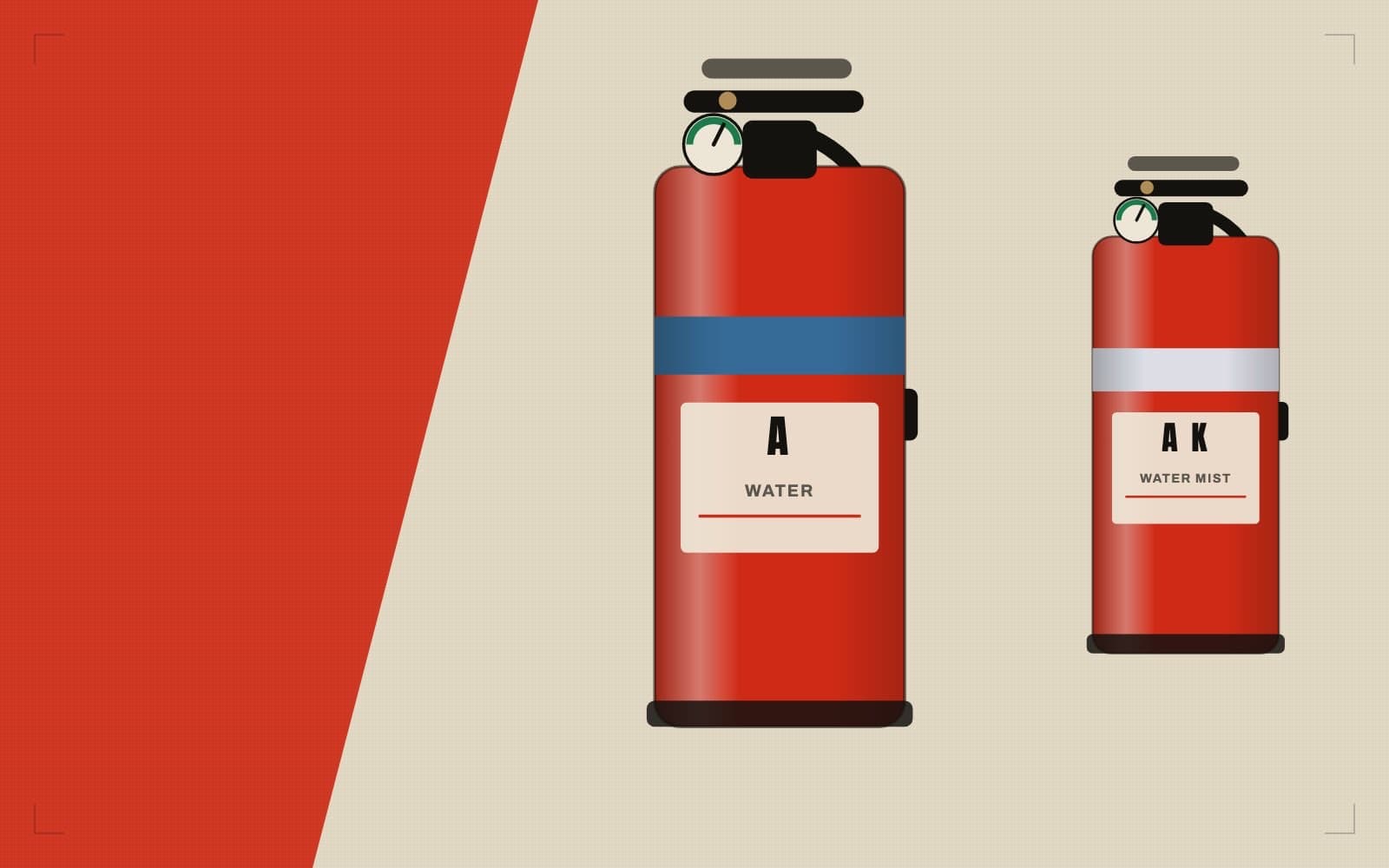
For ordinary combustibles
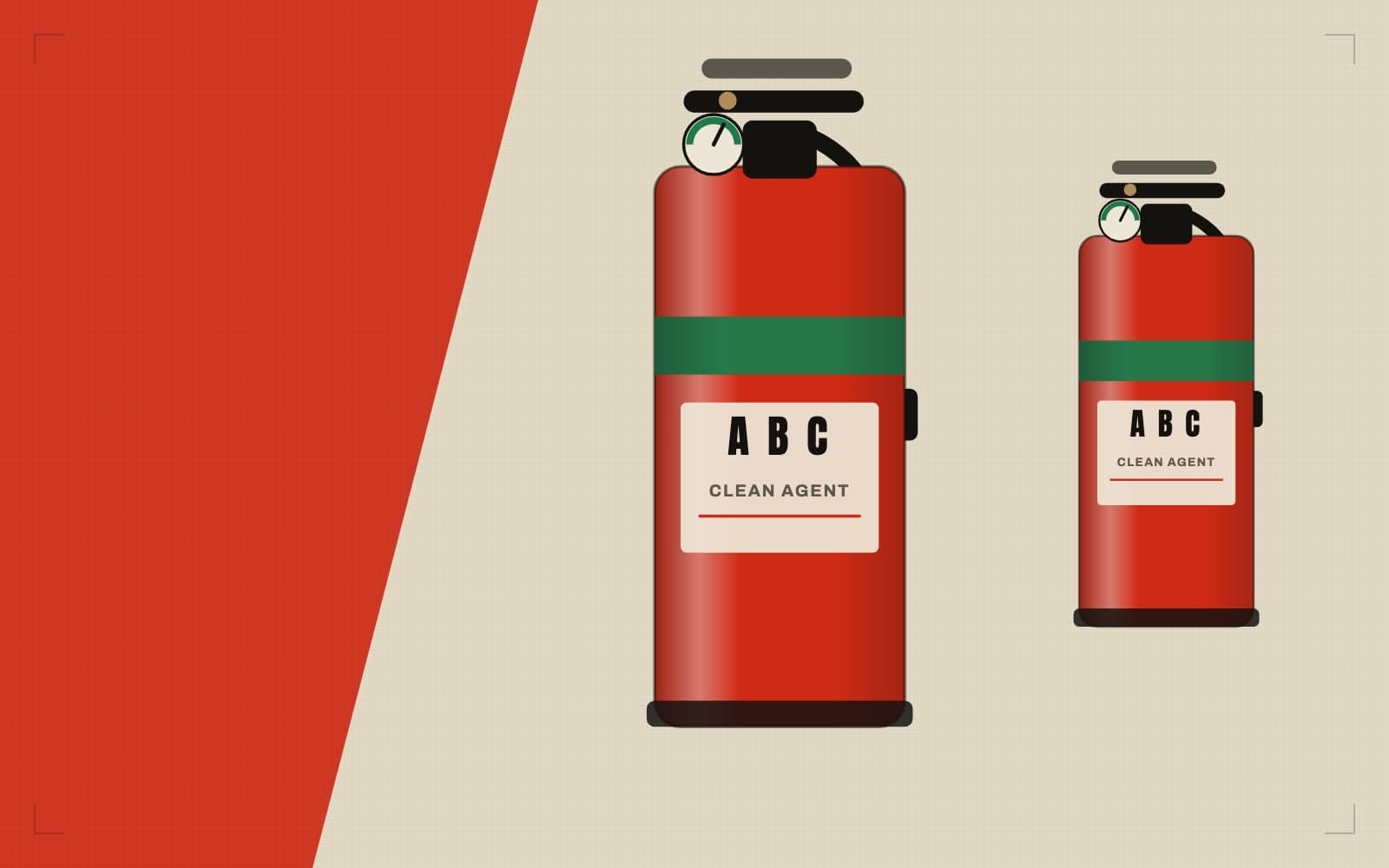
Where residue is unacceptable
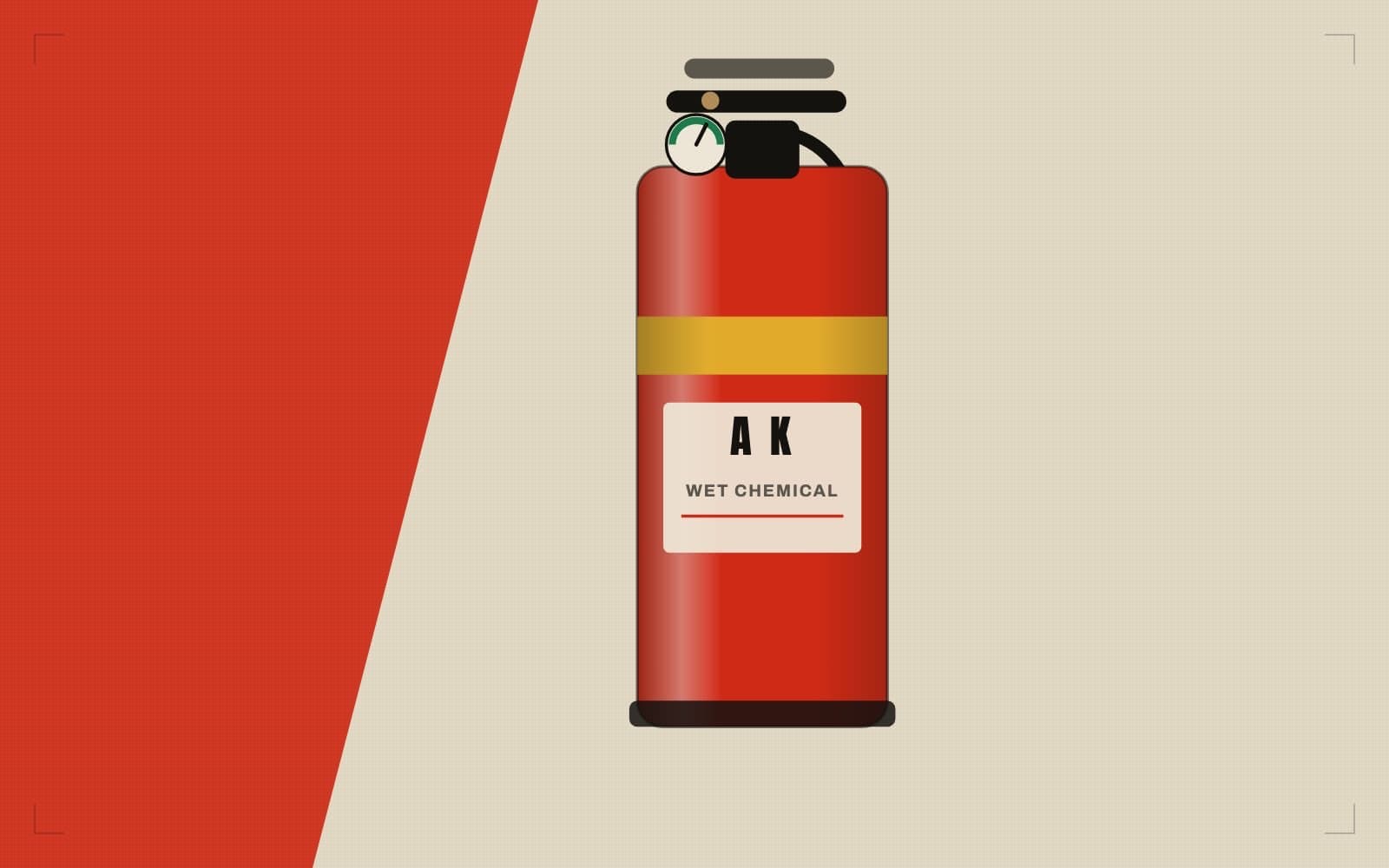
Commercial kitchens
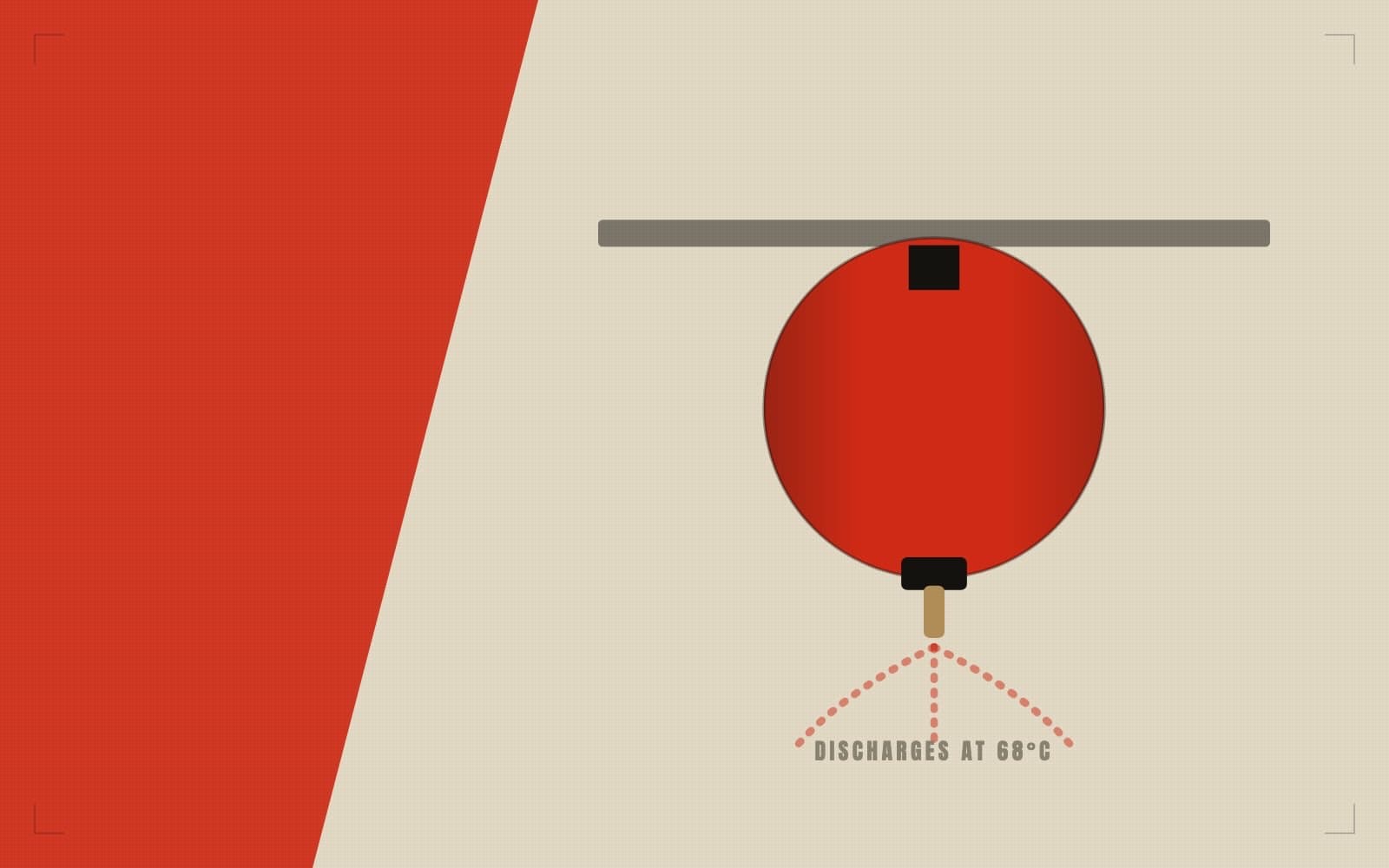
Unmanned protection
Fixed installations
Warning before flame
Statutory marking
First response
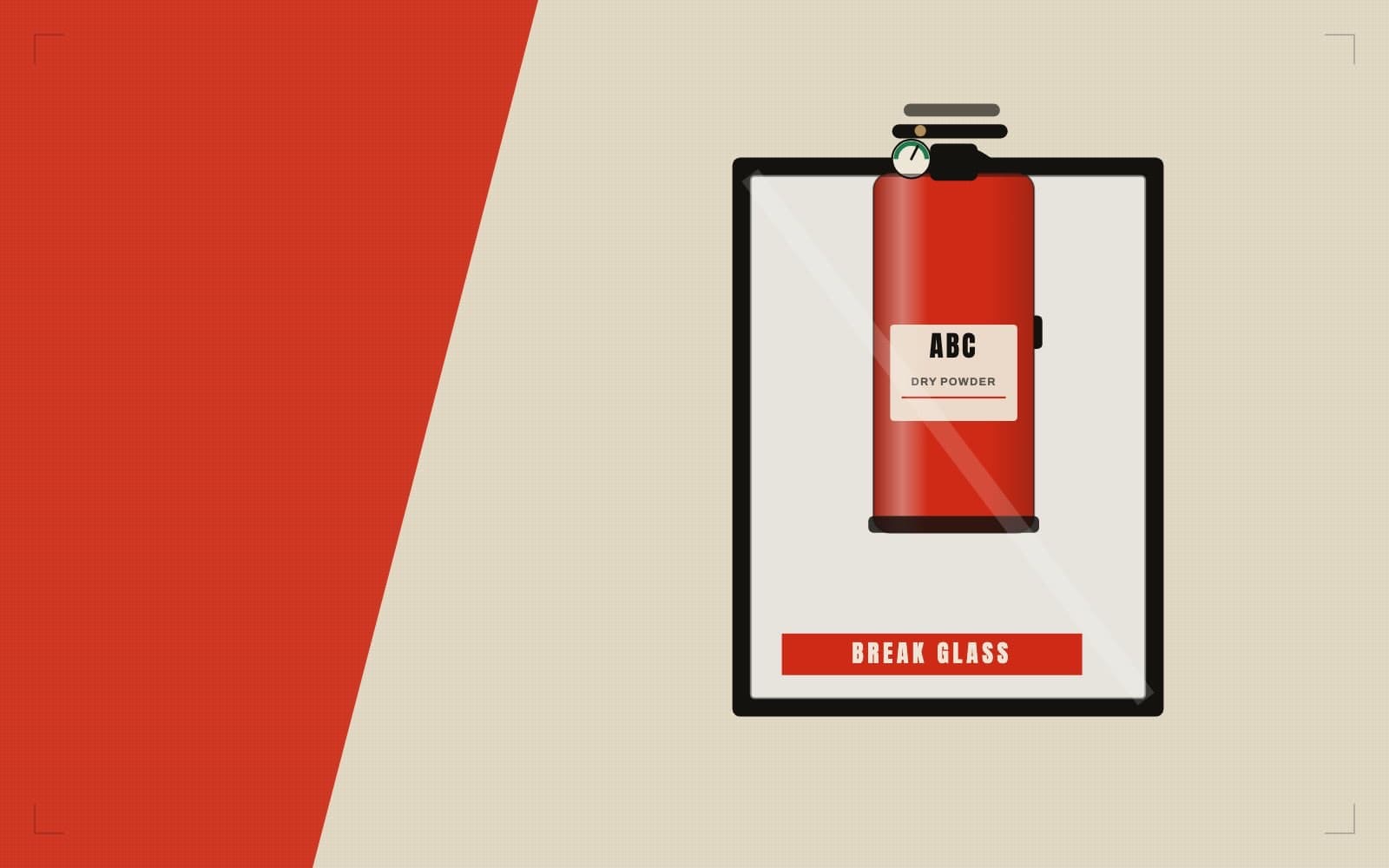
Mounting and storage
Fire is classified by what is burning, and the wrong agent on the wrong class makes things worse rather than better. Every product on this site declares both what it covers and what it must not touch.
Solid materials that leave an ash when they burn. The commonest fire in any home, office or godown.
For example
Wood, paper, cardboard, cloth, furniture, most plastics
Liquids and liquefiable solids. These spread and flow, so they are smothered rather than cooled.
For example
Petrol, diesel, kerosene, paint, thinner, solvents, grease
Gas fires. The first action is always to isolate the supply — an extinguisher alone can leave gas escaping unburnt, which is more dangerous, not less.
For example
LPG cylinders, CNG lines, acetylene, methane, hydrogen
The other door into the catalogue. Pick the room, and we will show you what belongs in it and what must stay out.
An ISI mark means the unit was made under a BIS licence to a named Indian Standard. It is what an inspection accepts and what an insurer expects. We put it on the product card, not three clicks deep in a specification tab.
Where a product is built to the standard without carrying the mark — as most clean agent units are — we say that too, rather than letting an absent badge imply something we have not claimed.
View the catalogueInstallation notes, class-selection explainers, and what a failed inspection actually looks like.
The ones that decide whether you buy the right unit. If yours is not here, ask us directly — we would rather answer than sell you the wrong thing.
Ask a questionStart from what would burn, not from the product list. Paper, wood and cloth need Class A cover; petrol, diesel, paint and solvent need Class B; LPG and other gases need Class C; a deep-fat fryer needs Class K and nothing else will do. If you are covering a mixed general space and want one unit, an ABC dry powder extinguisher is the usual answer. Every product page on this site states its classes and, just as importantly, what it must not be used on.
Only if the unit says so. CO2, clean agent, water mist and ABC dry powder units are dielectrically tested and safe on energised equipment; each product page shows the tested rating in kilovolts. Water and foam extinguishers are not — the discharge conducts back along the stream to the person holding it. Note that "electrical" is not a fire class under IS 2190, which is why we show it as a separate property rather than as a letter.
Check the pressure gauge yourself monthly — the needle should sit in the green. A competent person should inspect the unit every six months. Refilling intervals depend on the type: water and foam typically every two years, dry powder every three, CO2 and clean agent every five. Any unit that has been discharged, even for a second, must be refilled immediately; a partially discharged extinguisher will not work when you next need it.
The ISI mark shows the product is manufactured under a BIS licence to the relevant Indian Standard, which for portable extinguishers is IS 15683. For most statutory and insurance purposes an ISI-marked unit is what will be accepted. Products on this site state whether they are ISI marked and which standard they are built to. Some specialist units, such as clean agent extinguishers, are built to the standard without carrying the mark.
It depends on floor area, occupancy type and travel distance rather than on a single rule of thumb — broadly, no occupant should have to travel more than 15 metres to reach a unit. Local fire-department requirements vary by state and by building class. If you send us your floor plan and occupancy type we will mark up a placement plan; that service is free and carries no obligation to buy.
Yes. Portable extinguishers ship anywhere in India by surface transport. CO2 and clean agent units are pressurised vessels and travel under restricted transport rules, which can add a day or two to remote pin codes. Hose reels, hydrants and trolley-mounted units ship by freight and are quoted separately.
Unused, undamaged units in original packaging can be returned within seven days of delivery. Once a unit has been discharged or its tamper seal broken it cannot be returned, because it can no longer be certified as full. Manufacturing defects are covered by the product warranty for its full stated term.
Yes, across Mumbai and most of Maharashtra directly, and elsewhere through partner service firms. Refilling covers pressure testing, agent replacement, valve service and a new inspection tag. AMC contracts cover scheduled six-monthly inspection with documentation for your fire-department file.
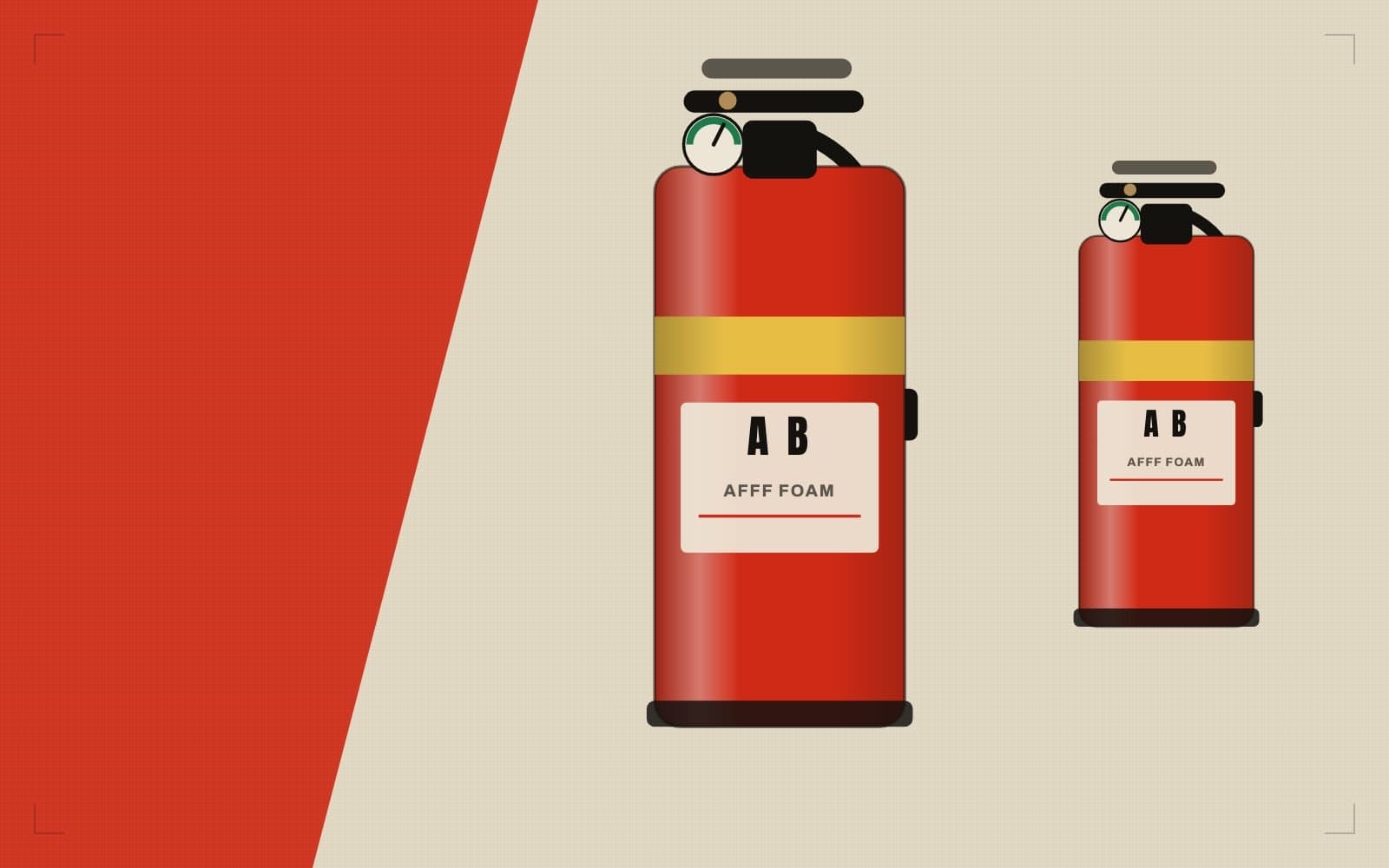
For liquids that spread
AFFF foam blankets a flammable liquid and seals the vapour, stopping the reignition that catches people out with powder.
Burning metal. Water and standard powders react violently with these; only a dedicated Class D agent is safe.
For example
Magnesium, sodium, potassium, titanium, aluminium swarf
Deep-fat fires in commercial kitchens. They reignite at temperatures well below what water can bring them down to, so they need a saponifying agent.
For example
Vegetable oil and animal fat in fryers, ranges and woks
ABC dry powder
Fire class
5 sizes · 1 kg–9 kg
₹845
₹1,050
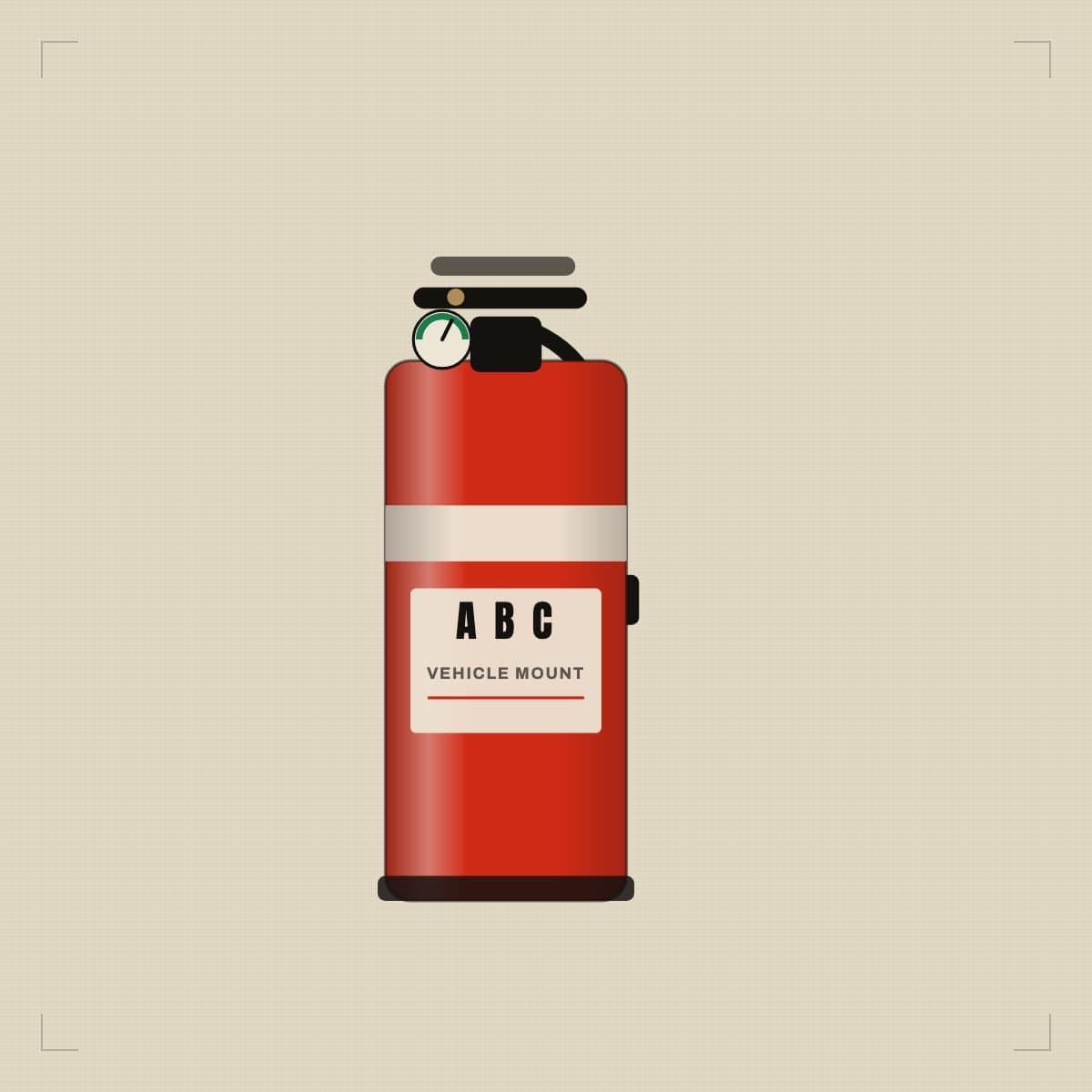 18% off
ABC dry powder
Fire class
3 sizes · 500 g–2 kg
₹590
₹720
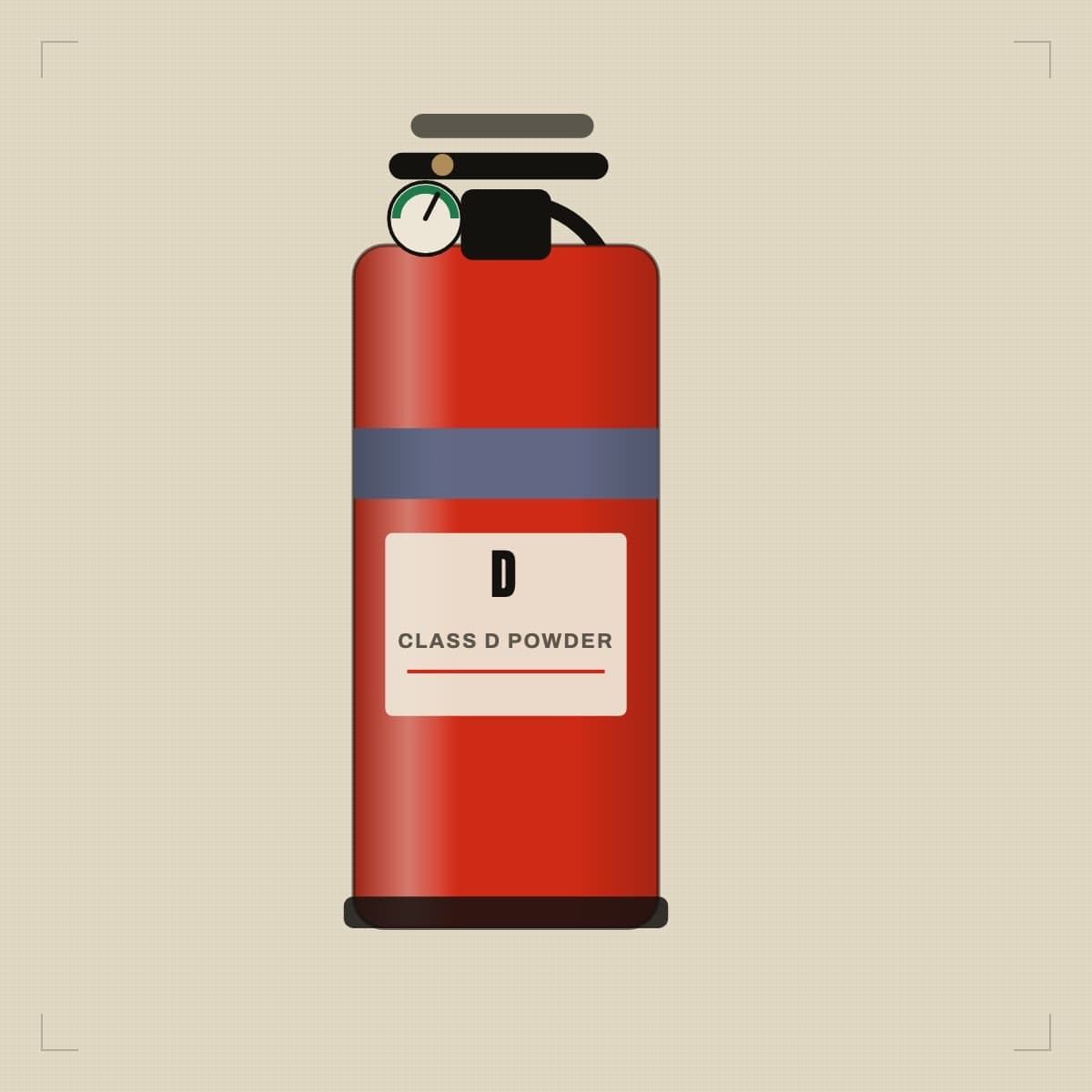
Class D powder
Fire class
2 sizes · 9 kg–12 kg
₹12,400
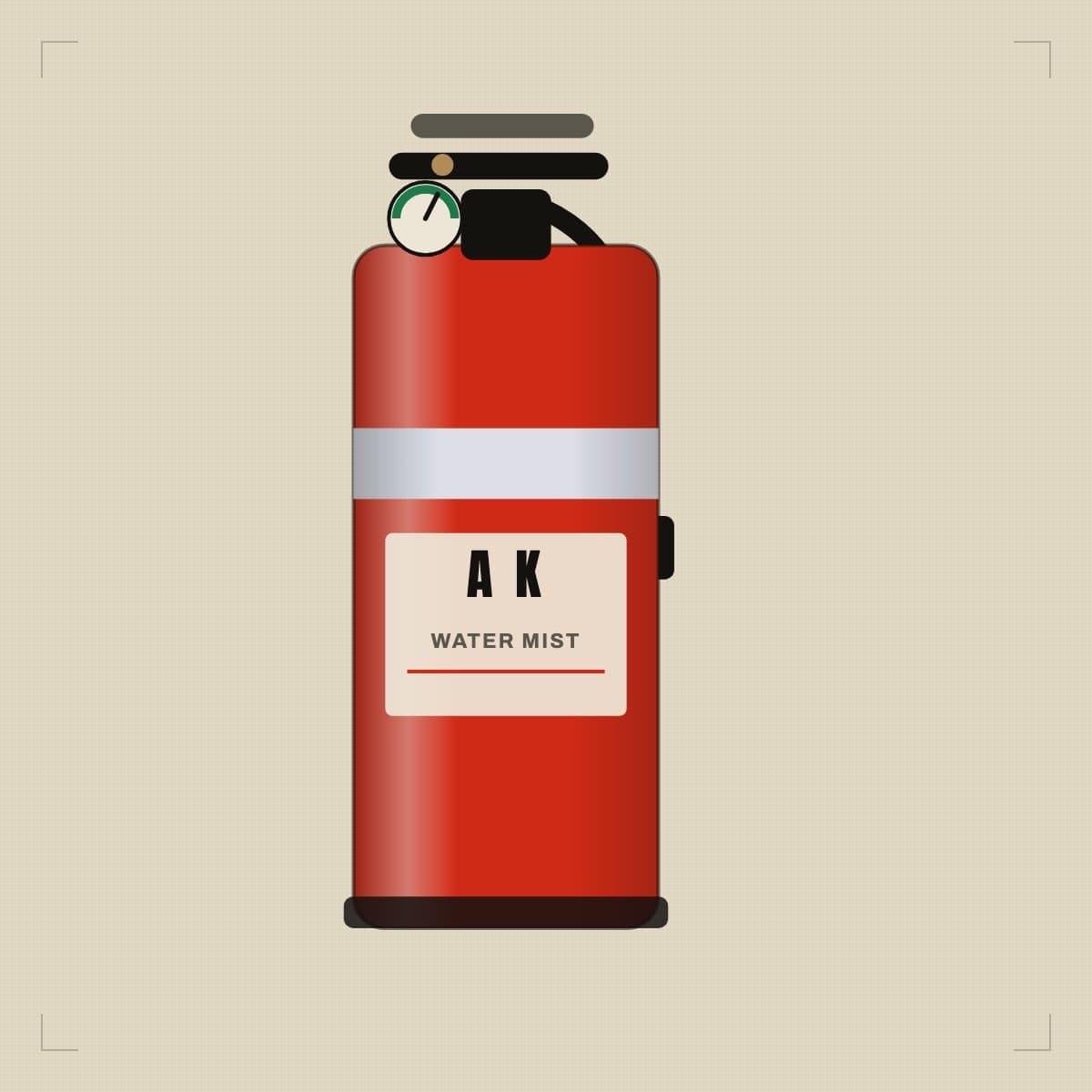 17% off
Water mist
Fire class
3 sizes · 3 litre–9 litre
₹4,200
₹5,100
 17% off
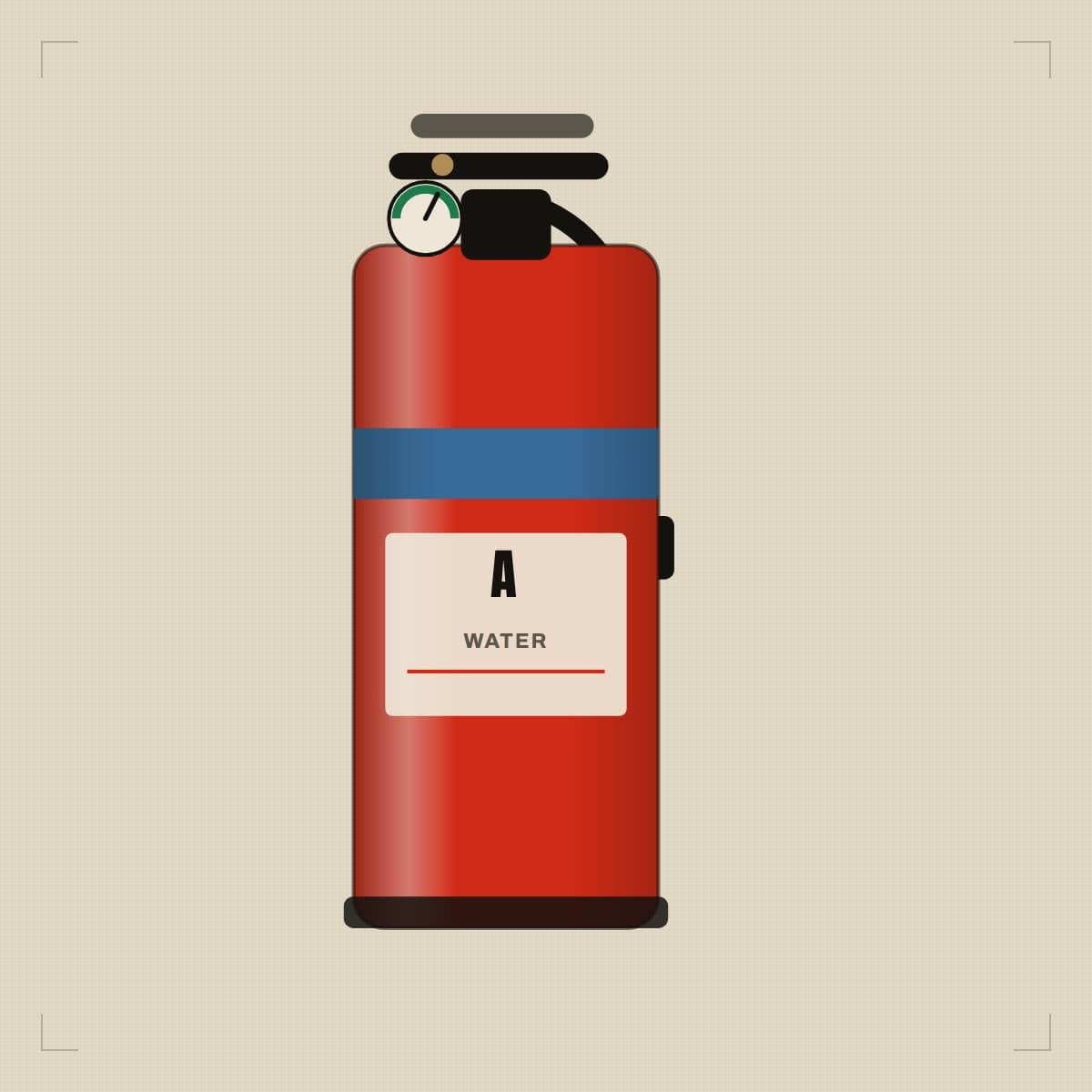
Water
Fire class
2 sizes · 9 litre–50 litre trolley
₹1,980
₹2,400